
Current project
PID2019-108845GA-I00
MusicalETI
Influence of musical dynamics and early triadic interactions on learning processes in Early Childhood Education
Funded by:

R+D State Program Oriented to Society's Challenges
2020-2023
This project aims to examine the developmental dynamics of early triadic interactions (adult-infant-object).
In particular, we look at their musical organization in everyday settings to better understand how children construct their relationships with others and with the world.
Musical dynamics
We emphasize the role of objects and musicality from the first months of life.
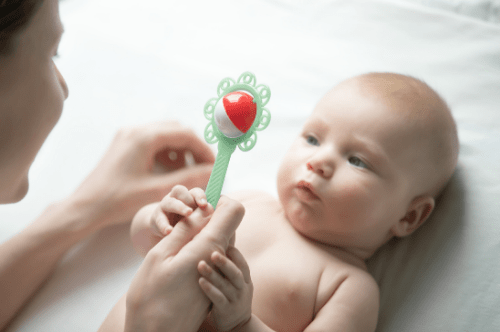

Triadic interactions
We are interested in how triadic interactions (between adult, infant and object) unfold during the first year of the baby.
Early Childhood Education
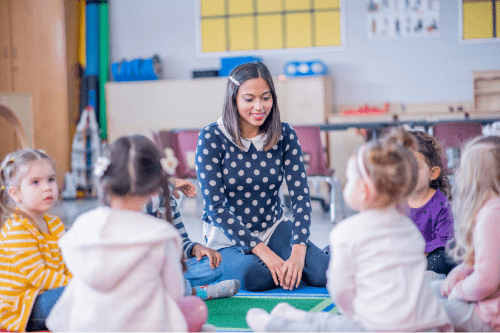
We analyze how children build their relationships with others and the world in everyday settings: at home and at early childhood education centers.
Study 1 - home settings
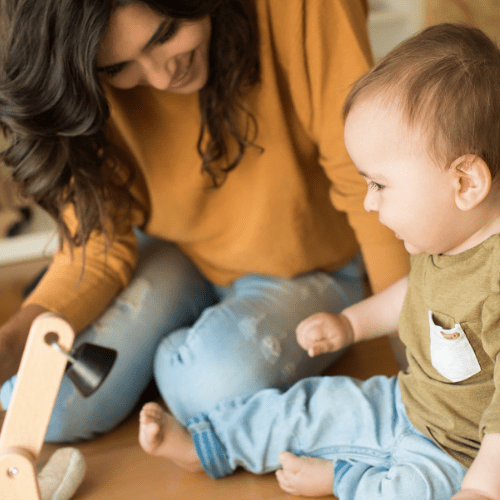
We make monthly recordings of interactions at home during the baby's first year (from 2 to 12 months of age). These consist of play situations of the child with his mother or father and a musical object (a small maraca). We also collect complementary information through a questionnaire on the infant's communicative development at 9, 12 and 16 months of age.
These data are carefully analyzed in detail (microgenetic methods), to identify the communicative components that are present in the interactions and their variations over time.
Study 2 - early childhood education centres
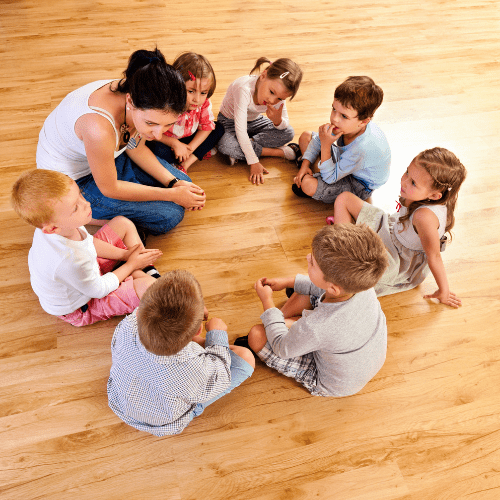
We conduct non-participant classroom observations of circle time activities with children up to 1 year old, at the beginning of the school day. We are interested on describing how the interactions between the educator and the infants unfold, whether they use objects and if there is any musical structure that organzse these scenarios.
The microgenetic analysis of these data also allows us to explore the dynamic variations of these interactions over time.
Early development
Our studies could contribute to generate new knowledge on the development of social interactions in early childhood, as well as to describe their musical characteristics.
Parentality
In addition, our findings could help to improve parenting practices, especially those related to communication between mothers/fathers and their children.
Early Childhood Education
The results of this project could also enrich the educational processes developed in the first level of early childhood education and, consequently, the development of children.